Materials and Construction That Define Smith and Wesson 9mm Durability
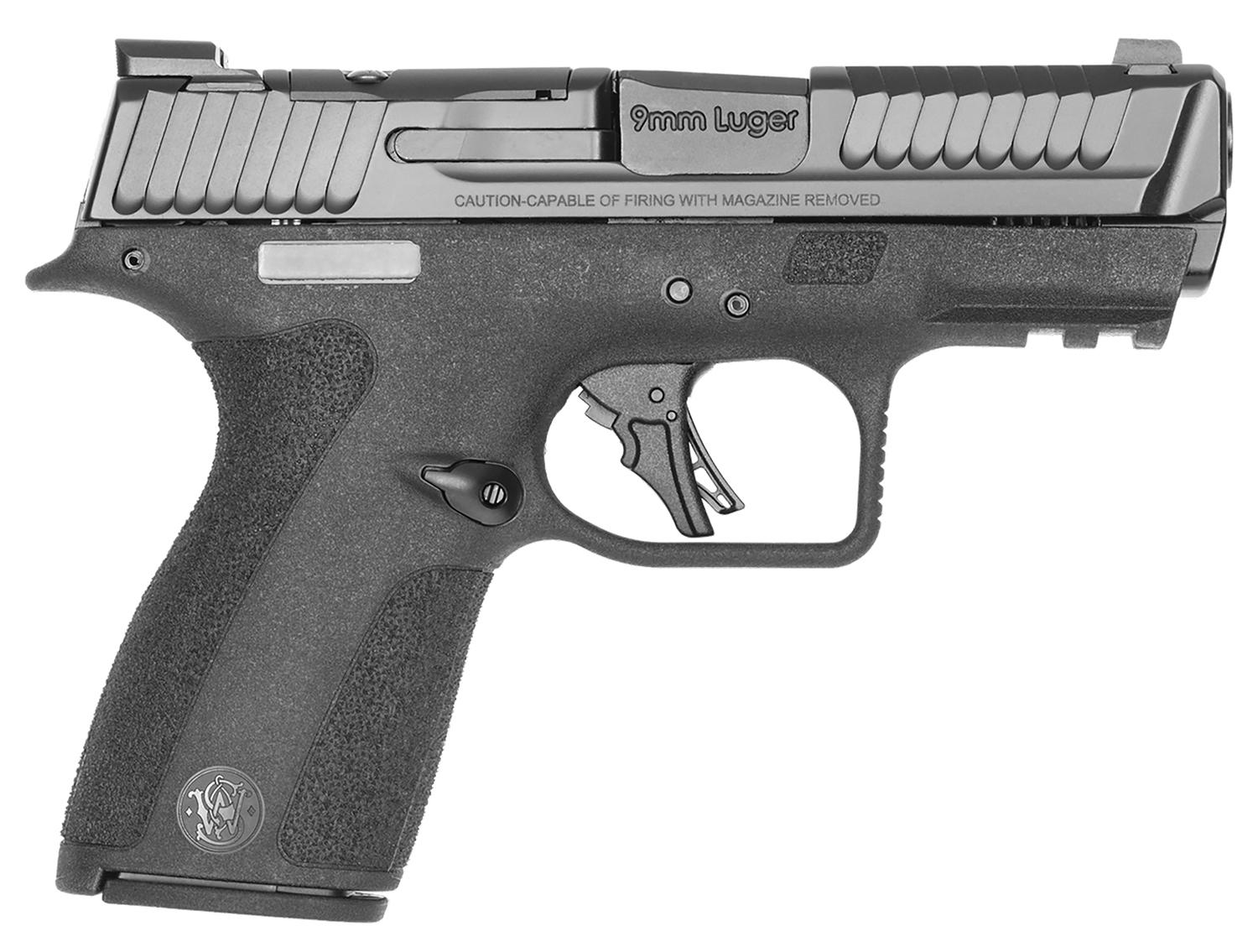
Durability in a handgun is rarely the result of a single feature. It is the outcome of material selection, structural design, and precise manufacturing working together over time. A firearm that maintains its performance through repeated use earns trust not through appearance, but through consistency. In Smith and Wesson 9mm pistols, durability is shaped by thoughtful construction choices that quietly reinforce reliability, allowing shooters to focus on skill rather than mechanical concern.
For everyday users, longevity translates into confidence. A handgun that continues to function smoothly after thousands of cycles provides reassurance that practice and routine handling will not lead to premature wear. That steady dependability often becomes one of the most practical advantages for both new and experienced shooters.
The Role of Frame Materials
Frame material forms the structural backbone of any pistol. Modern Smith & Wesson 9mm designs frequently incorporate reinforced polymer blends or lightweight metal alloys, each chosen to be efficient in strength and weight. Polymer frames offer flexibility that helps absorb vibration, while metal frames provide rigidity and added mass that can moderate recoil impulse.
This material diversity is not about aesthetics but about performance balance. A frame that resists cracking or deformation under stress ensures that internal components remain properly aligned. Over extended use, this structural stability preserves both accuracy and cycling consistency. Shooters experience a firearm that feels solid rather than fragile, encouraging regular training instead of cautious handling.
Weight distribution also benefits from deliberate material choice. A balanced frame prevents excessive front- or rear-heaviness, allowing smoother presentation and steadier control during rapid sequences.
Slide and Barrel Construction
The slide and barrel endure some of the highest mechanical stress during operation. Hardened steel alloys are commonly used in Smith and Wesson 9mm pistols to withstand repeated firing pressures and friction. Precision machining ensures tight tolerances, allowing these components to move in harmony rather than conflict.
Protective finishes add another layer of resilience. Coatings designed to resist corrosion and surface wear help maintain smooth cycling even in varied environmental conditions. These treatments preserve the integrity of the metal while reducing maintenance demands. Shooters benefit from a firearm that continues to operate reliably without constant refinishing or replacement.
Barrel construction also influences long-term accuracy. Consistent rifling and durable metallurgy maintain projectile stability shot after shot. Even minor inconsistencies in barrel wear can alter performance, which is why careful manufacturing plays such a critical role in sustaining precision.
Internal Component Durability
Durability extends beyond visible surfaces. Springs, pins, and firing mechanisms experience continual motion and pressure with every trigger press. High-quality internal components are engineered to retain tension and shape despite prolonged cycling. This hidden reinforcement ensures that the firearm’s behavior remains predictable rather than gradually inconsistent.
Reliable internal construction reduces the likelihood of unexpected malfunctions. Shooters can focus on technique and safety rather than troubleshooting mechanical irregularities. Over time, this mechanical steadiness becomes an essential contributor to overall confidence.
Attention to detail in small components often determines how gracefully a firearm ages. Subtle reinforcements and precise fits preserve the harmony of movement that defines smooth operation.
Manufacturing Precision and Quality Control
Material strength alone cannot guarantee durability without accurate assembly. Precision machining, controlled tolerances, and systematic quality checks ensure that each part interacts as intended. In Smith and Wesson 9mm pistols, this manufacturing discipline supports consistent lockup, balanced recoil response, and dependable cycling.
Quality control also influences long-term wear patterns. Even distribution of stress across moving parts prevents premature fatigue in any single area. Shooters experience a firearm that ages evenly rather than suddenly weakening. This uniform wear contributes to predictable performance over the years of use.
Consistency in production further supports familiarity. When design standards remain steady and replacement parts and maintenance routines remain straightforward, user confidence is reinforced.
Comfort Through Structural Confidence
Durability influences comfort as much as ergonomics. A handgun that feels structurally secure reduces hesitation and mental strain. Shooters are more willing to practice regularly when they trust the firearm’s reliability. Instead of anticipating wear or malfunction, attention remains on fundamentals and disciplined improvement.
This psychological assurance is often subtle yet powerful. Structural confidence encourages repetition, which in turn strengthens skill development. Over time, the firearm becomes a dependable tool rather than an uncertain device.
Built for Lasting Performance
Materials and construction define durability not through isolated strength but through coordinated engineering. Reinforced frames, hardened steel components, precise machining, and dependable internal parts combine to create a platform designed for longevity. In Smith and Wesson 9mm pistols, these elements work quietly together to preserve reliability through extended use. For shooters seeking a handgun that maintains consistent performance across training and everyday readiness, durable construction becomes more than a feature—it becomes the foundation of lasting confidence.